Summary
- Israel has escalated its campaign in Lebanon, combining expanded ground incursions, intensified airstrikes (including Beirut), and planning for a widened “buffer zone” along the border.
- Hezbollah continues sustained rocket and drone attacks, primarily targeting Israeli forces in southern Lebanon, indicating retained operational capacity despite mounting losses.
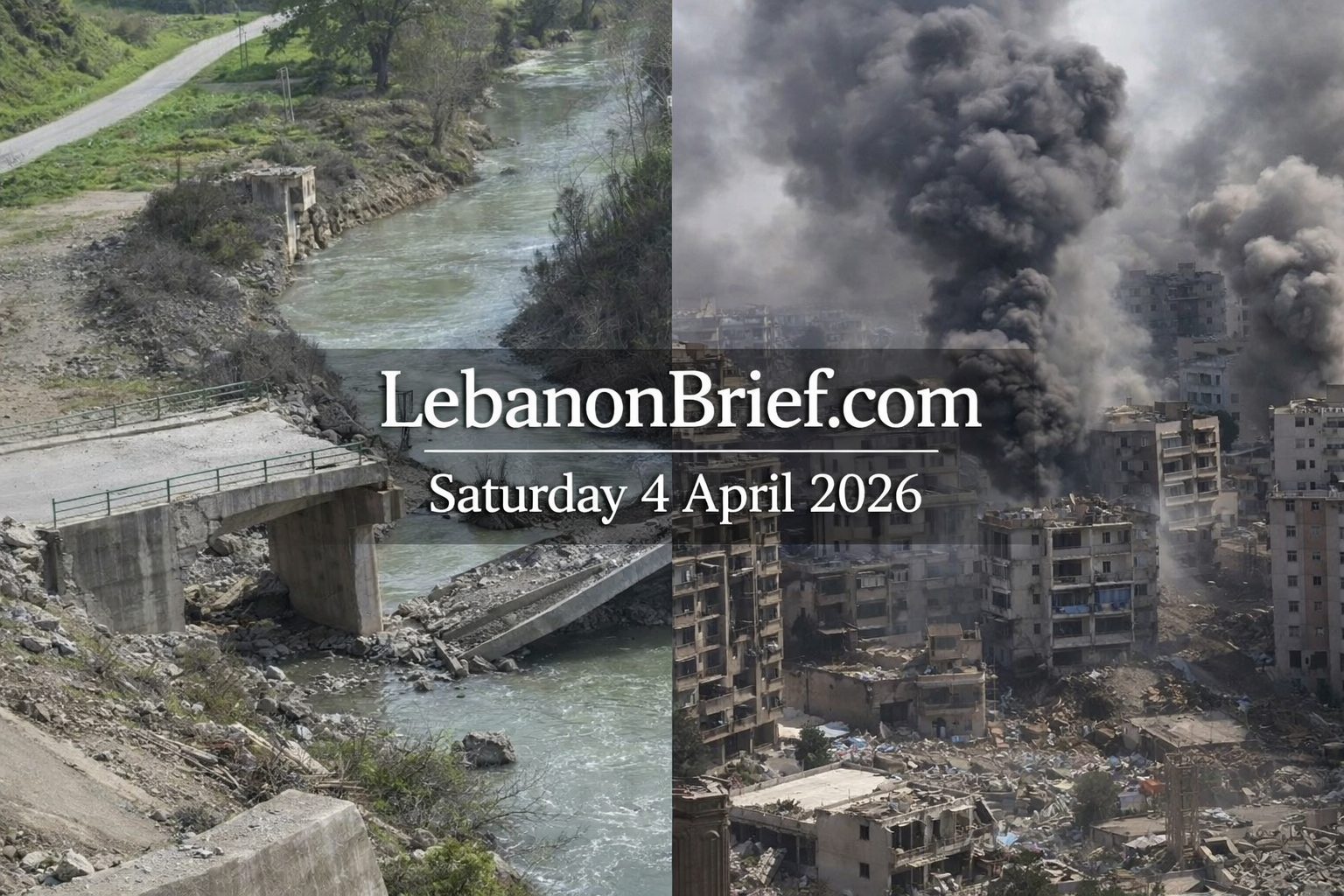
- Israel is increasingly targeting infrastructure (bridges, villages) to isolate southern Lebanon, significantly worsening humanitarian conditions and restricting civilian movement.
- Mixed Israeli messaging on war objectives—particularly disarming Hezbollah—suggests evolving or constrained strategic aims as the campaign expands.
- Civilian impact is rising sharply, with over 1,300 killed and mass displacement, while international concern grows amid risks of broader regional escalation.
Main Text
1. Military Escalation and Territorial Dynamics
- Israeli forces have deepened their ground presence in southern Lebanon, advancing into multiple villages (including Beit Lif, Rchaf, and areas near Bint Jbeil), now controlling approximately 2% of Lebanese territory. Progress is uneven, with terrain and resistance fire slowing advances in eastern sectors.
- Implication: Israel appears to be consolidating a forward defensive line rather than pursuing rapid expansion, indicating a shift toward sustained positional warfare.
- Parallel air operations have intensified, including repeated strikes on Beirut’s southern suburbs and expanded targeting in southern Lebanon and the western Bekaa region. Israel has confirmed strikes on “Hezbollah infrastructure” in the capital.
- Implication: The inclusion of Beirut reinforces a strategy to degrade command-and-control nodes beyond the immediate battlefield, increasing escalation risk.
2. Buffer Zone Strategy and Infrastructure Targeting
- Israeli planning for a “security zone” several kilometers inside Lebanon is becoming more explicit, with reports indicating potential demolition of entire border villages (e.g., Kfar Kila, Houla, Aita al-Shaab).
- Implication: This signals intent to create a depopulated and militarized strip, likely preventing civilian return and reshaping the border’s demographic and security landscape.
- Systematic strikes on infrastructure—particularly bridges over the Litani River—are aimed at severing Hezbollah’s supply lines between southern Lebanon and the Bekaa Valley.
- Implication: While militarily logical, this is isolating civilian populations, complicating evacuations, and increasing humanitarian pressure.
3. Hezbollah Response and Operational Capacity
- Hezbollah continues high-frequency attacks, including rocket barrages toward northern Israel (including Haifa), drone strikes, and direct engagements with Israeli ground forces. Most fire is concentrated on Israeli troop positions inside southern Lebanon rather than deep inside Israel.
- Implication: The group is adapting tactically to prioritize attrition of advancing forces while maintaining symbolic cross-border pressure.
- Israeli estimates suggest Hezbollah retains significant capabilities (approximately 10,000 rockets and hundreds of launchers), despite claims of heavy losses.
- Implication: A decisive degradation of Hezbollah’s arsenal remains unlikely in the short term, reinforcing the likelihood of a prolonged conflict.
4. Strategic Ambiguity and Political Signals
- Israeli leadership is sending mixed signals regarding end goals:
- Political leadership emphasizes disarming Hezbollah and long-term security.
- Military officials acknowledge full disarmament is unrealistic without occupying all of Lebanon.
- Implication: This divergence suggests internal recalibration of objectives, potentially toward containment rather than elimination.
- Domestically in Lebanon, reported breakdowns in communication between senior political figures indicate weakened state cohesion during crisis conditions.
- Implication: Limited Lebanese state capacity reduces prospects for internal containment of Hezbollah, increasing the likelihood of continued Israeli unilateral action.
5. Civilian Impact and International Dimension
- Civilian casualties continue to rise (1,368 killed; over 4,000 wounded), with over one million displaced. Infrastructure destruction is constraining access to food, medicine, and evacuation routes.
- Implication: Humanitarian conditions are deteriorating rapidly, increasing pressure on international actors to intervene diplomatically.
- International signals include:
- The United States urging citizens to leave Lebanon and warning of potential Iran-linked threats.
- UNIFIL casualties highlighting growing risks to international forces.
- Implication: The risk of regional spillover remains elevated, particularly with indirect Iranian involvement and multi-front dynamics.
What Next (Forward Indicators)
- If Israel formally approves and begins implementing the buffer zone plan → expect accelerated village demolitions and longer-term territorial consolidation.
- If Hezbollah increases attacks deeper into Israel (beyond border zones) → expect intensified strikes on Beirut and broader Lebanese infrastructure.
- Watch for targeting of senior Hezbollah leadership → would signal escalation toward a decapitation strategy.
- If Lebanese political fragmentation deepens → expect further erosion of state authority and expanded Israeli operational freedom.
- If UN or international casualties increase → potential for stronger external diplomatic or operational intervention.
- Watch for signs of Israeli force strain (e.g., extended reservist deployments) → may indicate limits to sustained offensive operations.
Comment
The conflict is shifting from rapid escalation to a more structured and sustained confrontation, with Israel prioritizing territorial shaping and Hezbollah adapting to attritional resistance. Strategic ambiguity on Israeli end goals suggests a transition toward containment rather than decisive defeat of Hezbollah. The trajectory points toward a prolonged conflict with increasing humanitarian and regional risks rather than imminent resolution.

Leave a Reply